Technology and Equipment Advances
By providing the latest, most-innovative equipment ensures our hospital can deliver the most effective and efficient treatments to patients, giving them the best care possible
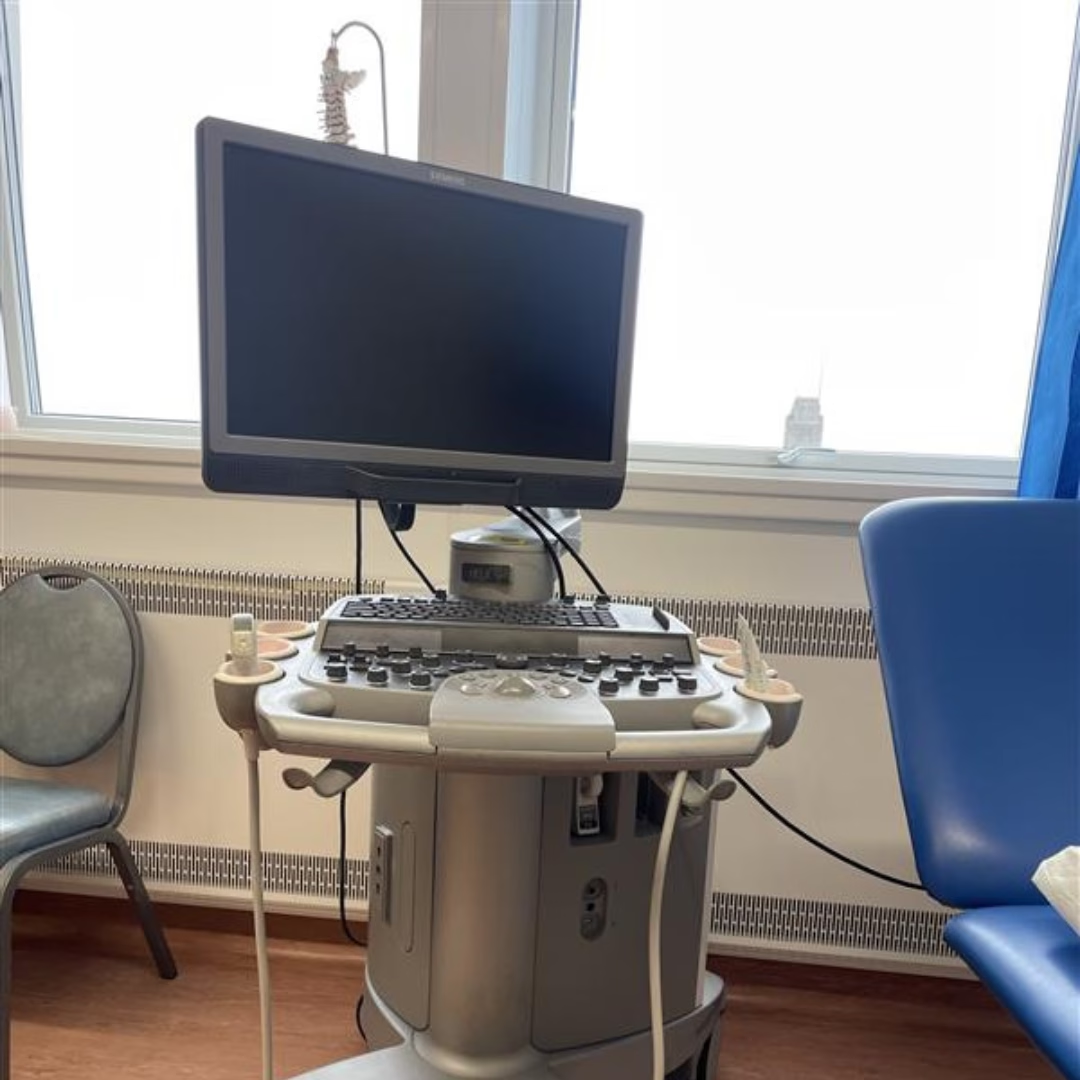
Point of care ultrasound
Thanks to funding from our charity, the Physiotherapy Department was able to purchase its own Point of Care Ultrasound machine to support inclusive and dignified pelvic health assessments.
The department cares for a diverse range of patients throughout various stages of their lives. Reasons for visiting are typically of an intimate, emotional and sensitive nature and can have a significant effect on the patient’s quality of life.
The process of understanding and improving pelvic muscular function in most instances involves internal examinations. These assessments can feel intrusive, with some patients declining the procedure due to fear, lack of knowledge, shame, cultural beliefs or previous traumatic experiences.
Trans-perineal ultrasound is a method of assessing pelvic floor muscle movement and quality through a curvo-linear probe positioned on the outside of the vulva. It provides an image of the internal pelvic organs and demonstrates movement of pelvic floor muscles offering a less intrusive and more comfortable option for assessment.
The department had previously been using a machine on loan, but thanks to charity funding they’ve been able to purchase their own. It’s also portable, meaning the service can be delivered across the hospital where necessary.
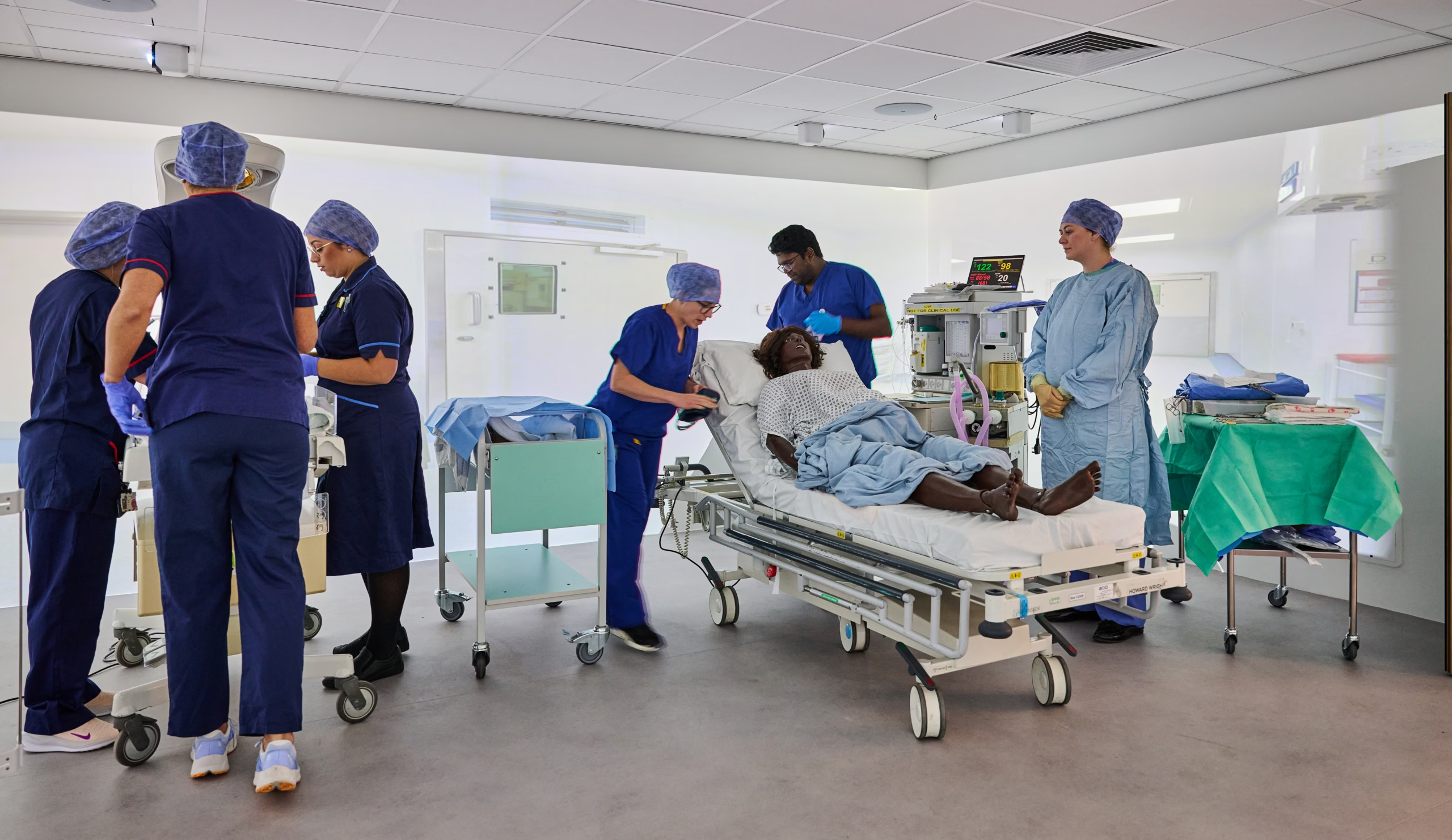
NHS’s first simulation suite dedicated to maternal and neonatal health
Thanks to a phenomenal £1m donation from high street fashion entrepreneur George Davies via The George Davies Charitable Trust, we created the NHS’s first simulation suite dedicated to maternal and neonatal health.
The state-of-the-art simulation lab has revolutionised the training of our maternity and neonatal teams, as well as other hospitals across the region, offering the chance to learn and train in a risk-free environment.
Installed with the latest technology, the suite is split into four dedicated areas all kitted out as though they are real life working wards and departments, including a maternity delivery simulation room, a neonatal unit and a gynaecology and theatre simulation room. There is also a seminar and training room, plus a debrief area, which provides participants with the opportunity to seek feedback, review and learn in a supportive and constructive way.
Projector technology also allows colleagues to live-simulate various environments, including a home birth scenario, the arrival at delivery suite in the back of an ambulance and a typical delivery suite and ward environment.
The use of simulation training is advocated by NHS England as one of the most successful education enablers, equipping learners with hands-on experience of what they are expected to do, act upon, escalate and in some cases inform decision-making as a practitioner.
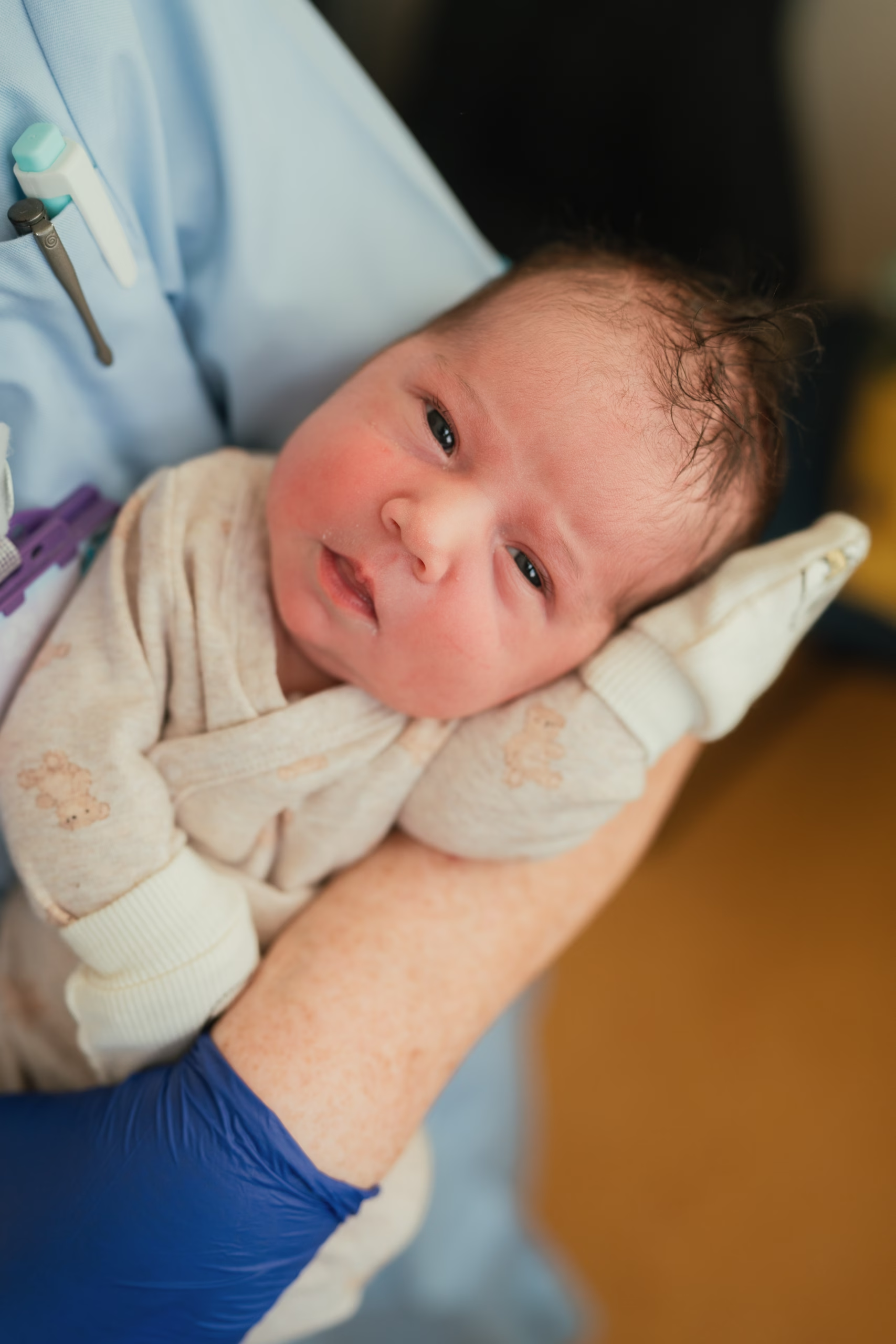
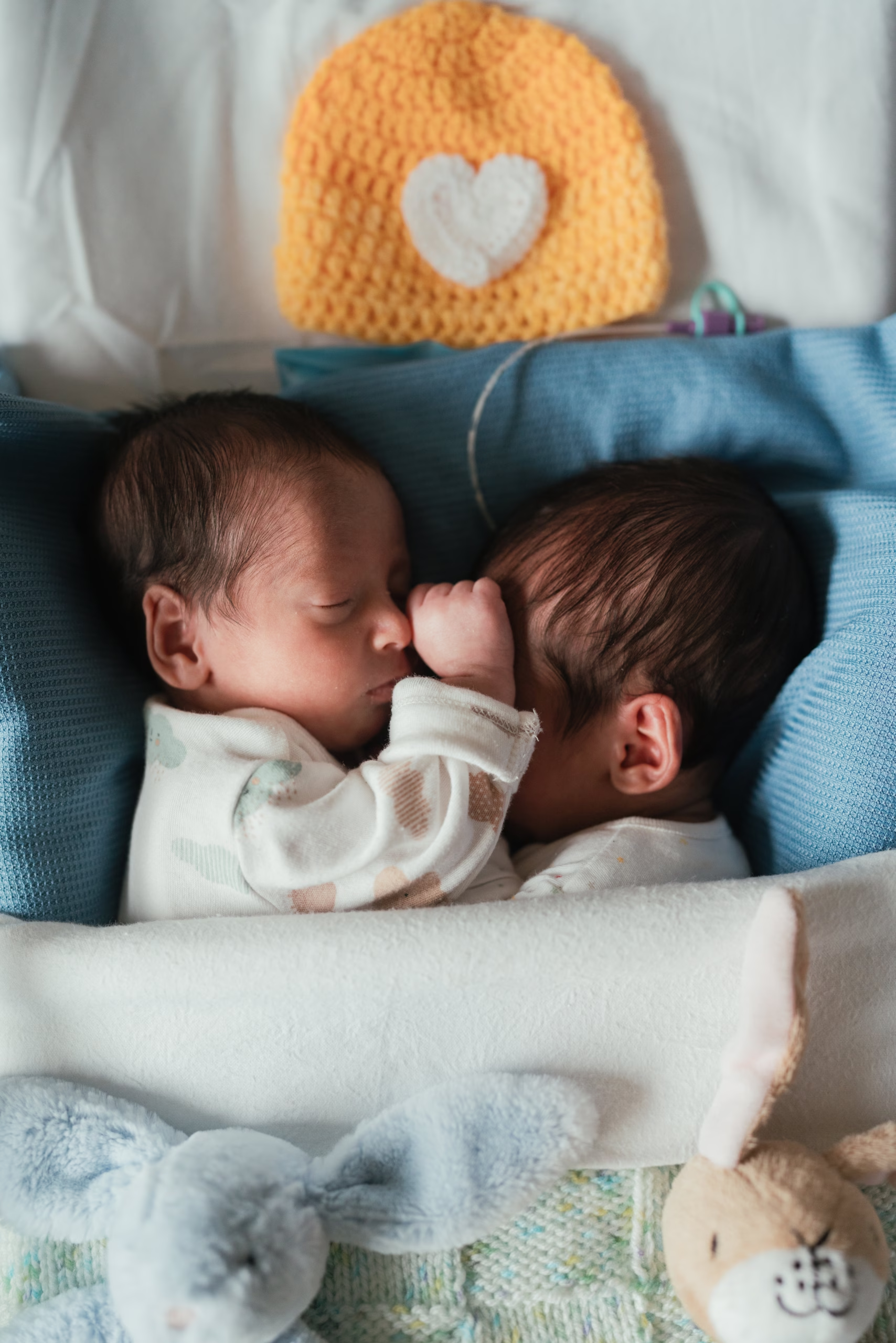
Milk warmers for tiny babies
Twelve special milk warmers were purchased for our Neonatal Intensive Care Unit, thanks to our charity.
These high-tech milk warmers supply body temperature milk to tiny babies, ensuring newborns receive gently and safely warmed human breast milk. This reduces the incidence of necrotising enterocolitis, a serious illness in which tissues in the intestine become inflamed and start to die. This life-threatening bowel condition affects premature babies and has high rates of mortality, reflux and apnoea.
Previously the hospital had two milk warmers on loan. These trial warmers totally transformed care for babies, reducing the need for surgery and medication as well as the length of stay in hospital for parents with newborn babies. They also helped reduce treatment costs.
Eleven of the machines are now in all 11 of the unit’s clinical rooms, with the twelfth located in the milk kitchen so babies are able to receive body temperature milk at every feed. This has also reduced infection risk, stopping midwives having to leave the room six to eight times a shift to warm milk. The use of these machines has and will continue to greatly transform the care newborn babies receive at our hospital.